

Applications
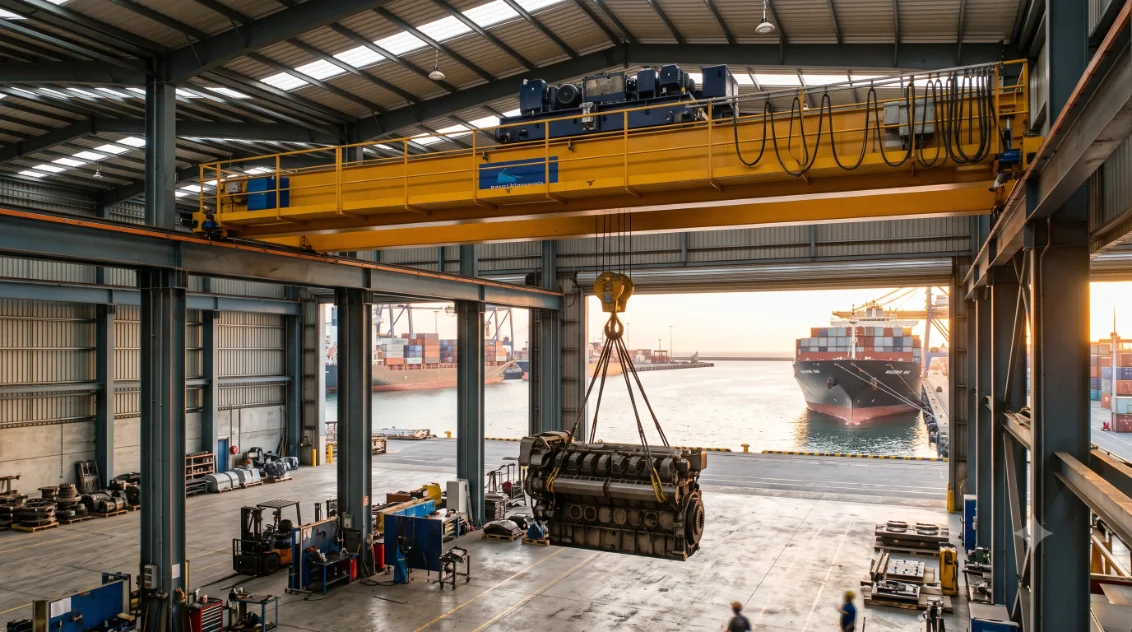
Where overhead cranes are used
The final configuration depends on analysis of the structure, the load and the operating conditions.
- Industries
- Production lines
- Maintenance workshops
- Distribution centres
- Assembly areas
- Warehouses
- Covered yards
- Loading and unloading operations
Settings
Configurations and features available
- Single girder crane
- Double girder crane
- Top running crane
- Underslung crane
- Pendant control
- Radio remote control
- Variable frequency drives
- Different speeds
- Audible and visual signalling
- Sensors
- Anti-collision devices
- Load monitoring
Manufacture and installation
Stages of supply
- Technical survey
- Definition of requirements
- Design
- Manufacture
- Preparation and painting
- Assembly
- Electrical installation
- Tests
- Operational guidance
- Delivery of the contracted documentation
Modernisation
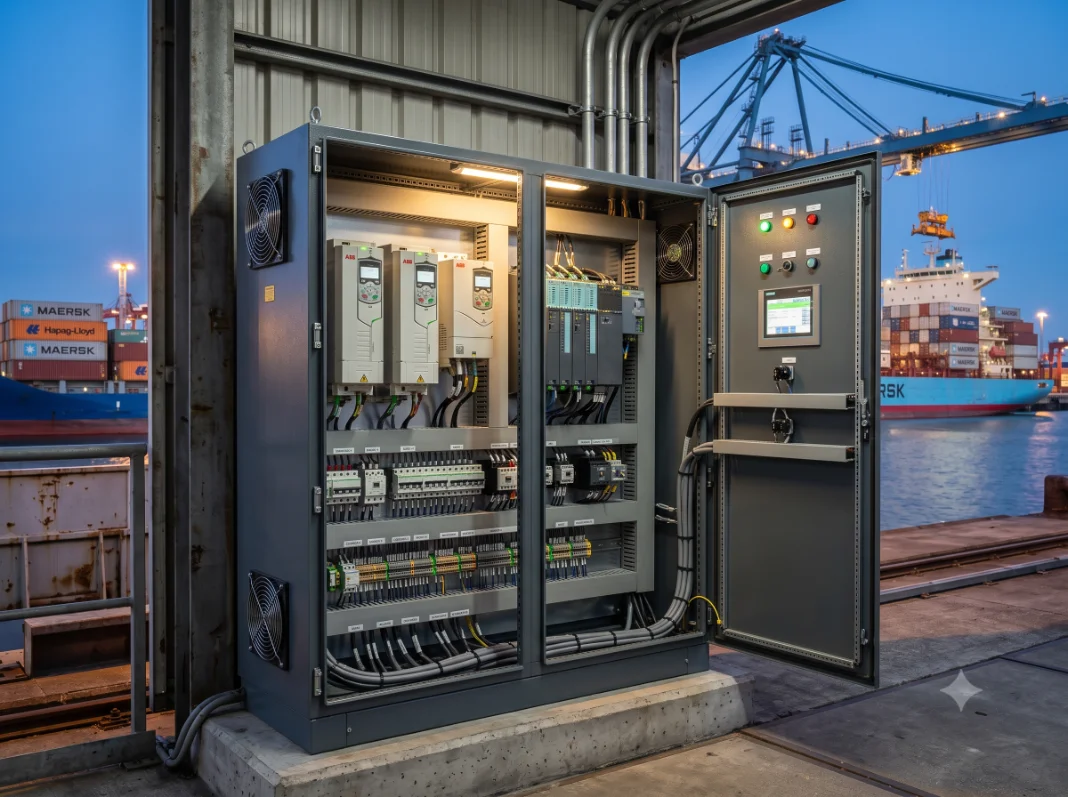
Retrofit of overhead cranes in service
Overhead cranes in service can be assessed for panel replacement, control upgrades, drive replacement, installation of variable frequency drives, electrical modernisation, mechanical recovery and the addition of operating features.
The feasibility of a retrofit depends on the structural, mechanical and electrical condition of the equipment.
Frequently asked questions
Questions about overhead cranes
Load capacity, span, travel distance, lifting height, control type, available electrical supply, installation environment and duty cycle. Photographs and site drawings help with the analysis.
In many cases, yes. The feasibility of a retrofit depends on the structural, mechanical and electrical condition of the equipment, verified in a technical assessment.
Yes. The scope of installation, mechanical assembly, electrical integration and testing is defined in the proposal, according to the conditions assessed on site.
A single-girder crane uses one main girder and generally serves smaller loads and spans; a double-girder crane uses two girders and allows greater capacities, lifting heights and additional features. The choice follows from the sizing.